
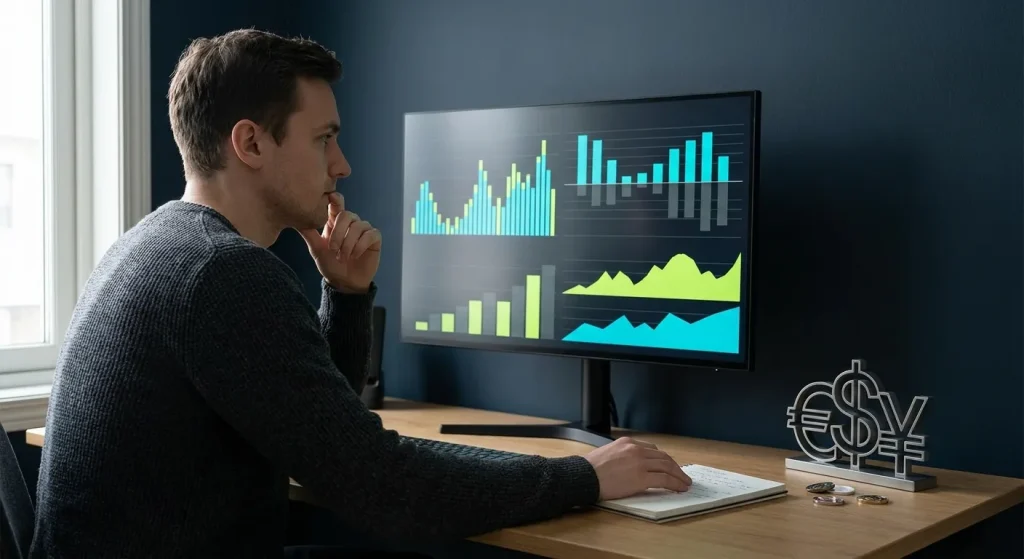
Forex trading involves significant psychological elements alongside technical analysis. While seemingly beneficial, Forex Bonus Psychology can subtly influence a trader’s decision-making, sometimes leading to unintended outcomes. Understanding these psychological effects is crucial for using bonuses effectively without compromising your trading discipline. This article explores how promotional offers can impact a trader’s mindset and strategy, for better or worse.
The Enticement Factor and Risk Perception
Bonuses are designed to entice new and existing traders. A substantial deposit bonus, for instance, can create a feeling of increased capital. Consequently, a trader might take on larger positions or higher risks than they normally would. This inflated sense of security, often termed the ‘house money effect,’ can distort risk perception. Traders might feel less protective of the ‘bonus money’ compared to their own deposited capital. This sometimes leads to more impulsive trades. Conversely, the pressure to meet withdrawal conditions might push traders to overtrade or deviate from their established strategies just to reach the required volume. Recognizing this inherent psychological bias is the first step towards mitigating its negative effects.
The ‘House Money Effect’ Explained
The ‘house money effect’ is a well-documented cognitive bias. It suggests that individuals are more willing to take risks with money they perceive as ‘found’ or ‘won’ compared to money they earned through labor. In the context of forex bonuses, traders may view the bonus capital as ‘house money.’ Therefore, they might engage in riskier trades they would typically avoid. This phenomenon can lead to a false sense of security, encouraging deviations from a carefully planned trading strategy. Understanding this bias is critical for maintaining discipline. Traders should treat bonus funds with the same respect as their own capital.
Pressure to Meet Trading Volume Requirements
Many forex bonuses come with specific trading volume requirements that must be met before profits can be withdrawn. This condition can exert significant psychological pressure on traders. For example, a trader might feel compelled to execute more trades than usual or increase their position sizes. This is done in an attempt to reach the required volume within a set timeframe. Such pressure can lead to hurried decisions, emotional trading, and a departure from a disciplined approach. It is essential to integrate these requirements into your overall trading plan from the outset. Consider Strategic Use of Micro Lots for Meeting Forex Bonus Volume to manage this effectively.
Leveraging Forex Bonus Psychology for Discipline
Instead of letting bonuses dictate your actions, you can consciously use Forex Bonus Psychology to reinforce discipline. Consider a no-deposit bonus: it offers a risk-free environment to test a new strategy or broker. This can reduce performance anxiety and allow for objective learning. For deposit bonuses, view the bonus amount not as ‘free money’ but as an additional buffer or an opportunity to slightly increase position sizes *within your established risk parameters*. Set clear, pre-defined trading rules and stick to them, regardless of the bonus. Use the bonus as an aid to extend your trading longevity or experiment cautiously, rather than as an excuse for reckless behavior. Maintain a consistent trading journal to track how bonuses influence your emotional state and trade outcomes.
Setting Clear Trading Rules
Establishing and adhering to clear trading rules is paramount, especially when utilizing bonus offers. Before accepting any bonus, define your entry and exit points, risk tolerance, and position sizing. These rules should remain consistent, irrespective of whether you are trading with your own capital or bonus funds. A well-defined strategy acts as a safeguard against impulsive decisions driven by the perceived ‘extra’ capital. Furthermore, regularly reviewing your trading journal helps identify patterns where bonus influence might be detrimental. This proactive approach strengthens your trading discipline.
Utilizing Bonuses for Strategy Testing and Learning
No-deposit bonuses, in particular, present an excellent opportunity for risk-free strategy testing. Traders can experiment with new indicators, different timeframes, or even entirely new trading systems without risking their own capital. This environment fosters learning and confidence-building without the typical financial pressure. Similarly, deposit bonuses can offer a slightly larger cushion for minor adjustments to an existing strategy. This allows for controlled experimentation. It is vital to approach these opportunities with a learning mindset, focusing on refining your skills rather than chasing quick profits. This mindful approach can transform the psychological impact of forex bonuses into a positive reinforcement for growth.
The Role of Emotional Control in Forex Trading
Emotional control is a cornerstone of successful forex trading. The availability of bonuses can sometimes challenge this control. The excitement of a large bonus or the frustration of unmet withdrawal conditions can lead to emotional trading. This includes revenge trading, overtrading, or abandoning a sound strategy. Developing emotional resilience is therefore crucial. Techniques such as mindfulness, taking short breaks after a series of losses, and strictly adhering to your trading plan can help maintain composure. Ultimately, understanding how bonus offers interact with your emotional state is key to mitigating negative psychological effects. It allows you to make rational decisions under pressure.
Understanding Cognitive Biases Beyond ‘House Money’
Beyond the ‘house money effect,’ other cognitive biases can influence decisions when dealing with forex bonuses. Confirmation bias, for instance, might lead traders to seek out information that confirms their positive feelings about a bonus, while ignoring potential risks. Overconfidence, fueled by initial successes with bonus funds, can also lead to increased risk-taking. Additionally, the ‘sunk cost fallacy’ might cause traders to continue trading with a bonus even when it’s clearly not working out. This is due to the effort already invested in trying to meet conditions. Awareness of these broader psychological tendencies empowers traders to make more objective choices. This helps them navigate the complexities of bonus offers more effectively.
Evaluating Bonus Offers Objectively
To truly benefit from forex bonuses, traders must evaluate offers objectively, moving beyond the initial allure. This involves a thorough understanding of the terms and conditions. Pay close attention to withdrawal requirements, minimum trading volumes, and any time limits. A bonus that appears generous on the surface might come with restrictive conditions that make it impractical for your trading style. Furthermore, consider the broker’s reputation and regulatory status. A bonus from a reputable, regulated broker offers more security than one from an unknown entity. This careful assessment helps mitigate the negative psychological pressures associated with unclear or unfavorable terms. For more insights, refer to Understanding Forex Bonus Regulations: What Traders Need to Know.
Comparing Different Types of Bonuses
Not all bonuses are created equal, and understanding the nuances of each type is vital. Deposit bonuses, for example, increase your trading capital, but often come with stringent trading volume requirements. No-deposit bonuses offer a risk-free entry point, ideal for beginners or testing new strategies, though their amounts are typically smaller. Cashback programs, on the other hand, reward trading activity directly, providing a rebate on commissions or spreads. Each type carries different psychological implications and benefits. For instance, Forex Cashback Programs Benefits: Maximizing Value for Active Traders can reduce the perceived cost of trading, fostering a more relaxed approach. By comparing these options, traders can select bonuses that align best with their psychological profile and trading goals. This careful selection minimizes potential negative influences.
Building a Resilient Trading Mindset
Developing a resilient trading mindset is crucial for long-term success, especially when navigating the psychological aspects of forex bonuses. This involves self-awareness, discipline, and continuous learning. Understand your own emotional triggers and how they might react to the pressure or excitement of bonus offers. Implement strict risk management protocols that are independent of bonus funds. Moreover, regularly review your trading performance and adapt your strategies as needed. A resilient mindset views bonuses as an additional tool, not as the primary driver of trading decisions. This perspective helps maintain focus on fundamental trading principles, ensuring that bonuses enhance rather than detract from your overall strategy.
The Importance of a Trading Plan
A well-structured trading plan is the bedrock of disciplined trading. This plan should outline your trading goals, risk management strategies, entry and exit criteria, and how you intend to incorporate any bonus offers. It acts as a roadmap, guiding your decisions and preventing impulsive actions driven by emotional responses to bonuses. Importantly, your trading plan should be reviewed and updated regularly. This ensures it remains relevant to market conditions and your evolving trading style. Sticking to a plan, particularly when dealing with the psychological influence of forex bonuses, is a powerful way to maintain control and consistency. This proactive approach helps mitigate potential pitfalls.
Conclusion
In essence, while forex bonuses present appealing opportunities, their psychological influence on trading decisions is undeniable. By understanding the potential for altered risk perception and the pressure to meet conditions, traders can develop strategies to counteract negative biases. Ultimately, a disciplined approach, where bonuses are seen as a tool rather than a directive, is crucial for long-term success. Traders must prioritize a sound trading strategy and emotional control above the immediate gratification offered by bonuses. This mindful engagement ensures that bonus offers truly enhance trading outcomes without compromising financial well-being. Always remember, the goal is sustainable profitability, not just maximizing bonus usage. For further reading on managing potential pitfalls, consider Common Forex Bonus Mistakes Traders Must Avoid.
FAQ
What is the main psychological impact of forex bonuses?
The primary psychological impact involves altered risk perception, often leading to increased risk-taking due to the ‘house money effect.’ Additionally, pressure to meet withdrawal conditions can induce overtrading or deviation from a trading plan.
How can traders manage the psychological effects of bonus offers?
Traders can manage these effects by setting clear trading rules, treating bonus funds like their own capital, using bonuses for risk-free strategy testing, and developing strong emotional control. Objectively evaluating bonus terms is also crucial.
Are no-deposit bonuses psychologically different from deposit bonuses?
Yes, no-deposit bonuses often reduce performance anxiety by offering a risk-free environment for learning and testing. Deposit bonuses, conversely, can create an inflated sense of capital, potentially leading to higher risk tolerance.
Why is emotional control important when using forex incentives?
Emotional control prevents impulsive decisions, such as revenge trading or overtrading, which can arise from the excitement of a bonus or the frustration of unmet conditions. It ensures adherence to a disciplined trading strategy.
How do trading volume requirements psychologically affect traders?
Trading volume requirements can create pressure to execute more trades or increase position sizes, potentially leading to hurried decisions and deviations from a planned strategy. This pressure can undermine long-term trading discipline.
Can understanding bonus psychology improve trading outcomes?
Absolutely. By being aware of potential biases and pressures, traders can proactively implement strategies to mitigate negative influences. This allows them to use bonuses as a supportive tool rather than a directive, ultimately enhancing their overall trading outcomes.