
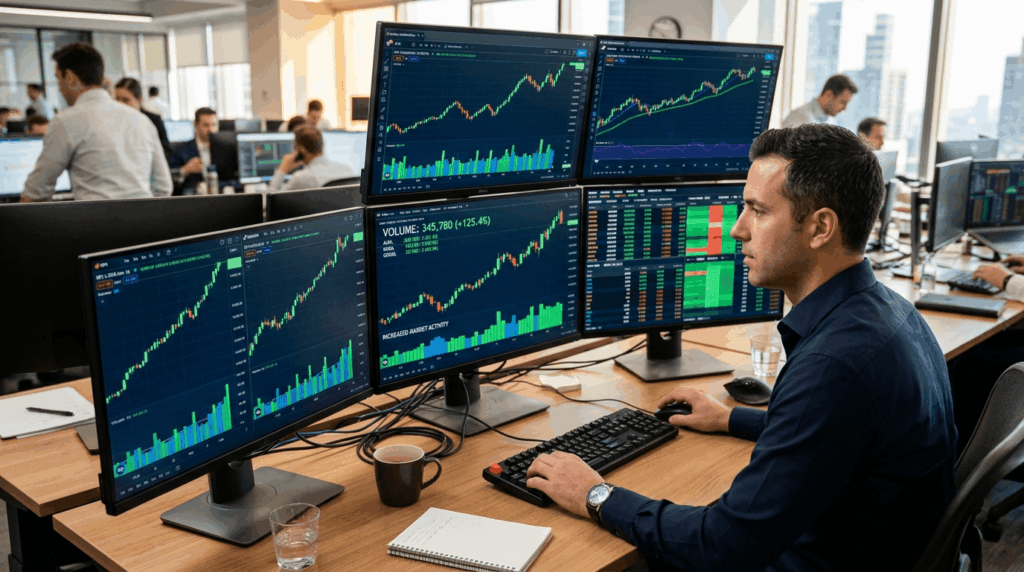
Many traders assume they need a larger account balance to trade more actively. However, that is not always true. With the right approach, traders can increase trading volume without continuously adding more money to their accounts. Smarter trade management, better strategy selection, and improved efficiency often create more opportunities than simply increasing deposits.
In forex trading, volume does not always depend entirely on account size. Instead, it often depends on how effectively traders use available capital. Some traders with small accounts generate consistent activity because they focus on discipline, timing, and proper market selection. Meanwhile, others with larger balances struggle because they rely on poor trading habits.
Learning how to manage resources effectively can help traders maximize opportunities while reducing unnecessary financial pressure. Additionally, understanding the risks involved is essential because higher activity without proper discipline can quickly lead to losses.
Understanding What Trading Volume Really Means
Before trying to increase trading volume, traders should understand what the term actually means. In forex trading, volume usually refers to the total size or number of trades executed over a certain period.
Some traders focus on opening larger positions, while others aim to increase the frequency of smaller trades. Both methods can increase overall activity, yet each approach carries different risks and advantages.
For many retail traders, trading volume matters because it influences broker promotions, rebate programs, and withdrawal requirements connected to bonuses. Additionally, active trading helps traders gain more live market experience and improve execution skills.
However, increasing activity should never become an excuse for reckless behavior. More trades do not automatically create better results. Instead, successful traders focus on maintaining quality setups while improving efficiency.
The goal should always involve sustainable growth rather than emotional overtrading. Therefore, traders need strategies that improve volume responsibly without damaging long-term performance.
Using Better Risk Management
One of the most effective ways to increase trading volume involves improving risk management practices. Many traders waste capital through oversized losses and poor position control. Consequently, their available margin disappears quickly.
By reducing unnecessary losses, traders preserve more usable capital for future opportunities. Smaller and more controlled risks allow traders to stay active longer without requiring additional deposits.
For example, consistent stop-loss placement helps traders avoid devastating drawdowns. Additionally, limiting emotional trading decisions prevents rapid account depletion during volatile conditions.
Position sizing also plays an important role. Instead of risking large portions of the account on single trades, successful traders spread risk across multiple controlled positions. This approach often creates more flexibility and higher sustainable activity.
Furthermore, disciplined traders avoid revenge trading after losses. Emotional reactions usually create unnecessary exposure and reduce available capital quickly.
Better risk management does not only protect money. It also creates stability, which allows traders to participate in more opportunities over time.
Improving Trade Selection
Many traders attempt to increase trading volume by forcing trades during poor market conditions. Unfortunately, this approach often leads to losses rather than growth.
A smarter strategy involves improving trade selection. High-quality setups usually produce better results than random market entries. Consequently, traders maintain healthier account balances and remain active longer.
Market timing matters significantly. Some currency pairs perform better during specific trading sessions. Therefore, understanding market behavior can help traders identify more efficient opportunities without increasing risk unnecessarily.
Additionally, traders should focus on strategies they understand fully. Constantly switching systems creates inconsistency and confusion. Meanwhile, mastering one proven approach often improves confidence and execution quality.
Technical analysis tools can also help identify cleaner setups. Support and resistance levels, trend analysis, and volatility indicators all assist traders in avoiding weak opportunities.
Better trade selection does not necessarily mean trading less. Instead, it means trading smarter and using available capital more effectively.
Taking Advantage of Leverage Carefully
Leverage allows traders to control larger positions using smaller amounts of capital. Therefore, it naturally becomes one of the most common ways to increase trading volume without additional deposits.
However, leverage is a double-edged sword. While it can amplify profits, it also magnifies losses rapidly. Consequently, careless leverage use destroys many trading accounts.
Responsible traders use leverage strategically rather than emotionally. They maintain controlled risk levels and avoid excessive exposure during volatile conditions.
For example, moderate leverage combined with disciplined stop-loss management can create greater market participation while protecting account stability. In contrast, aggressive leverage often results in margin calls and rapid losses.
Understanding broker leverage policies also matters. Some brokers offer extremely high leverage to attract beginners, yet inexperienced traders frequently misuse these settings.
The safest approach involves gradually increasing exposure while maintaining consistent discipline. Traders should always prioritize account survival over short-term excitement.
When used carefully, leverage can help traders participate more actively without requiring larger deposits.
Using Compounding to Build Momentum
Compounding represents one of the most effective long-term methods to increase trading volume naturally. Instead of withdrawing small profits immediately, traders reinvest earnings gradually into future trades.
Over time, even modest gains can increase available capital significantly. As account balances grow, traders gain the ability to open slightly larger or more frequent positions.
The power of compounding comes from consistency rather than aggressive trading. Small but steady gains often outperform risky attempts to grow accounts quickly.
Additionally, compounding encourages discipline because traders become focused on long-term growth instead of emotional short-term results.
Patience remains essential throughout this process. Many traders fail because they expect immediate account expansion. However, steady growth usually produces more sustainable results over time.
Successful traders understand that protecting profits matters just as much as generating them. Therefore, they balance growth opportunities with careful risk control.
Compounding may seem slow initially, yet it often becomes one of the safest ways to increase overall trading activity gradually.
Reducing Trading Costs
Trading costs can quietly reduce available capital over time. Spreads, commissions, swap fees, and slippage all affect long-term performance significantly.
Therefore, reducing unnecessary costs helps traders preserve more funds for additional trading opportunities. Even small savings become meaningful after hundreds of trades.
Choosing brokers with competitive spreads and transparent fee structures can improve account efficiency immediately. Additionally, traders should avoid excessive trading during low-liquidity periods when spreads widen significantly.
Execution quality also matters. Poor execution increases slippage and reduces profitability. Reliable brokers with fast order processing help traders maintain better performance over time.
Some traders also benefit from rebate programs that return part of trading commissions. While rebates alone do not guarantee success, they can help offset costs for active traders.
Furthermore, focusing on efficient trade timing reduces unnecessary expenses. Entering trades during highly liquid sessions often results in tighter spreads and smoother execution.
Lower trading costs preserve account health and support higher sustainable activity levels.
Building Discipline and Consistency
Discipline often matters more than strategy alone. Many traders lose money not because their systems fail, but because emotions control their decisions.
Consistent routines help traders increase trading volume responsibly. Instead of reacting emotionally to every market movement, disciplined traders follow structured plans.
Maintaining a trading journal can improve consistency significantly. Recording entries, exits, and emotional reactions allows traders to identify mistakes and refine strategies over time.
Additionally, experienced traders understand the importance of patience. They wait for quality setups instead of chasing random opportunities.
Consistency also involves avoiding major account drawdowns. Protecting capital allows traders to remain active longer and take advantage of future market conditions.
Mental discipline becomes especially important during losing streaks. Emotional frustration often leads to impulsive decisions that reduce available capital quickly.
Successful traders treat trading like a business rather than entertainment. This mindset supports long-term growth and healthier trading habits.
Exploring Multiple Trading Sessions
Many beginners limit their activity to only one trading session each day. However, the forex market operates continuously across different global financial centers.
Exploring multiple sessions can create additional opportunities without requiring more funds. For example, some traders perform best during the London session, while others prefer the volatility of New York market hours.
Asian session trading may also suit traders who prefer calmer price movements and lower volatility. Understanding session behavior helps traders identify when their strategies perform most effectively.
Additionally, different currency pairs become more active during specific sessions. Therefore, adjusting trading schedules strategically can improve market participation and overall efficiency.
However, traders should avoid overworking themselves by monitoring markets constantly. Fatigue often leads to poor decisions and reduced focus.
The goal involves identifying sessions that match personal trading styles and lifestyle schedules. Better timing often improves results more effectively than larger deposits ever could.
Using Demo Testing Before Scaling Activity
Before attempting to increase trading volume aggressively, traders should test adjustments carefully. Demo accounts provide safe environments for strategy refinement without financial risk.
For example, traders can test position sizing changes, leverage adjustments, or session timing strategies before applying them to live accounts. Consequently, they gain confidence and identify weaknesses early.
Demo testing also helps traders improve execution speed and platform familiarity. These improvements often translate into smoother live trading performance later.
However, traders should remember that demo trading lacks real emotional pressure. Therefore, transitioning slowly into live environments remains important.
Testing allows traders to develop structured plans rather than relying on impulsive experimentation. Additionally, it reduces the likelihood of major mistakes during live trading.
Careful preparation often creates more sustainable growth opportunities than emotional attempts to increase activity rapidly.
Avoiding the Trap of Overtrading
While traders naturally want to increase trading volume, excessive activity creates serious risks. Overtrading remains one of the fastest ways to destroy an account.
Many traders believe constant activity guarantees better results. Unfortunately, forced trades often produce unnecessary losses and emotional stress.
Successful traders understand the difference between productive trading and impulsive activity. They focus on quality opportunities instead of random market participation.
Signs of overtrading include emotional frustration, ignoring trading plans, increasing position sizes impulsively, and entering trades without proper analysis.
Taking breaks can improve performance significantly. Mental clarity helps traders maintain discipline and avoid costly mistakes.
Additionally, traders should establish clear daily or weekly limits. These limits help control emotional behavior and preserve account stability.
Increasing activity responsibly requires balance. Traders should always prioritize sustainability over excitement.
Conclusion
Learning how to increase trading volume without adding more funds requires strategy, discipline, and careful planning. Larger deposits alone do not guarantee better trading performance. In many cases, smarter capital management creates far greater long-term benefits.
Improved risk management, better trade selection, and responsible leverage use all help traders maximize available opportunities. Additionally, reducing trading costs and maintaining emotional discipline support healthier account growth over time.
Compounding profits gradually can also increase account flexibility naturally. Meanwhile, exploring different trading sessions and refining strategies through testing helps traders improve efficiency without unnecessary risk.
However, traders must avoid emotional overtrading and reckless leverage use. Sustainable growth depends on patience, consistency, and long-term thinking rather than short-term excitement.
Ultimately, successful traders focus on using their existing capital more effectively instead of constantly chasing larger deposits. By developing disciplined habits and smarter trading practices, traders can create greater opportunities while protecting their financial stability.
FAQ
1. Can Small Forex Accounts Support Higher Activity Levels?
Yes, disciplined traders can trade actively with smaller accounts by managing risk carefully and using capital efficiently.
2. Is High Leverage Necessary for Greater Market Participation?
Not always. Moderate leverage combined with proper risk management usually creates safer long-term results.
3. Why Do Many Traders Lose Accounts Quickly?
Emotional trading, poor risk control, and overtrading often lead to rapid account losses.
4. How Does Compounding Help Traders Grow Accounts?
Compounding reinvests profits gradually, allowing account balances and trading opportunities to expand over time.
5. Should Traders Focus More on Trade Quality or Quantity?
Trade quality matters far more because strong setups usually produce better long-term performance.